Stefan Alban Kraus
Relational Psychotherapy,
Counselling and
Art Therapy


About me
I am deeply passionate about my work with individuals and couples of all ages. I have experience exploring, together with my clients, challenging life experiences such as low self-esteem, depression, anxiety, sexuality, relationship difficulties, attachment and separation, feeling stuck, loss and grief, identity issues, and struggles with finding meaning or direction in life.
For the therapeutic and healing process, I invite my clients into a safe, welcoming and confidential space where they can feel comfortable leading the sessions without pressure and at their own pace. As a therapist, I support my clients with empathy, attentive and curious listening, and by validating their experiences in a non-judgemental way. Depending on each client’s unique needs, I draw on various approaches from different theories and schools, with the fundamental aim of helping clients gain deeper self-knowledge and fostering personal growth.
In addition to traditional talking therapy, I also offer non-verbal forms of communication, such as artmaking and imaginative or experiential work, which can be especially helpful when words feel insufficient or when thinking becomes overwhelming or blocked.
I am not the best therapist for everyone. I offer a free 30-minute consultation to help us determine whether or not we are a good fit.
I’m an accredited Psychodynamic Art Psychotherapist, registered with both the Health and Care Professions Council and the British Association of Art Therapists, and I adhere to the guidelines and codes of ethics of these organisations. As part of this, I attend regular clinical supervision twice per month, which is bound by the same rules of confidentiality as all of my client sessions.
I am interested in offering psychotherapy to all members of our society and offer concession rates for those in difficult financial positions.
Areas I work with and have experience:
Addiction and dependency
Anxiety and panic
Berievement and grief
Depression
Family issues
Health related issues
Relationship issues
Self-esteem and self-worth
Sexuality and sexual issues
Stress related issues
For the therapeutic and healing process, I invite my clients into a safe, welcoming and confidential space where they can feel comfortable leading the sessions without pressure and at their own pace. As a therapist, I support my clients with empathy, attentive and curious listening, and by validating their experiences in a non-judgemental way. Depending on each client’s unique needs, I draw on various approaches from different theories and schools, with the fundamental aim of helping clients gain deeper self-knowledge and fostering personal growth.
In addition to traditional talking therapy, I also offer non-verbal forms of communication, such as artmaking and imaginative or experiential work, which can be especially helpful when words feel insufficient or when thinking becomes overwhelming or blocked.
I am not the best therapist for everyone. I offer a free 30-minute consultation to help us determine whether or not we are a good fit.
I’m an accredited Psychodynamic Art Psychotherapist, registered with both the Health and Care Professions Council and the British Association of Art Therapists, and I adhere to the guidelines and codes of ethics of these organisations. As part of this, I attend regular clinical supervision twice per month, which is bound by the same rules of confidentiality as all of my client sessions.
I am interested in offering psychotherapy to all members of our society and offer concession rates for those in difficult financial positions.
Areas I work with and have experience:
Addiction and dependency
Anxiety and panic
Berievement and grief
Depression
Family issues
Health related issues
Relationship issues
Self-esteem and self-worth
Sexuality and sexual issues
Stress related issues
What is Art Psychotherapy?

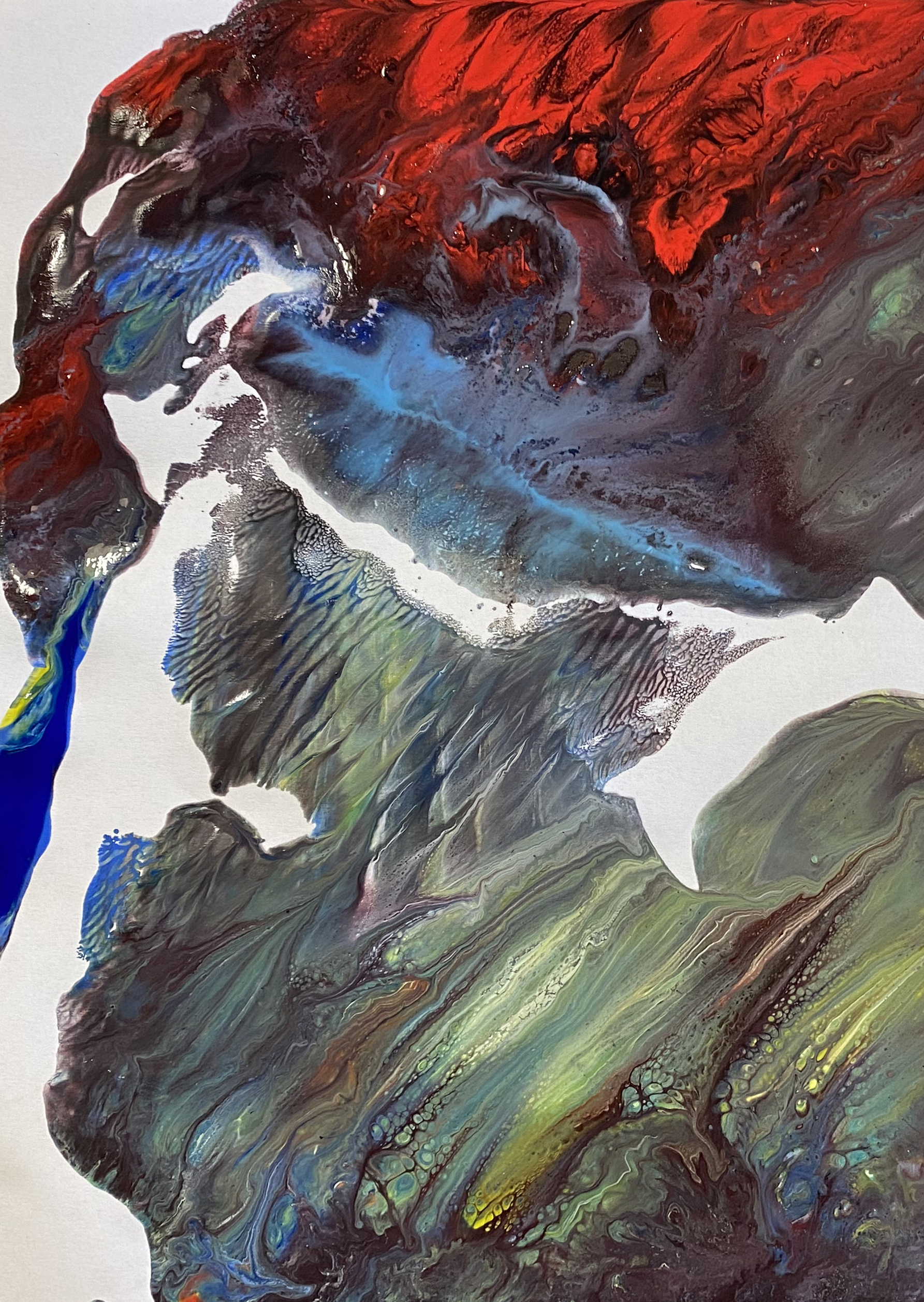


Non-verbal communication through artmaking can be especially helpful when words feel inaccessible or when thinking and reasoning become overwhelming or blocked. I believe that the visual and embodied expression of thoughts and feelings within a safe therapeutic setting can be both healing and nurturing. Through this process, art therapy invites clients to experience shared attention and the gentle exploration of looking together.
Artmaking can take many forms, doodling, drawing, painting, modelling, collaging, and more. It is also entirely fine if no artwork is produced during a session. There are no expectations, and clients are free to choose whatever mode of expression suits them best, including talking alone. No artistic or technical skill is needed to participate in art therapy.
Artmaking can take many forms, doodling, drawing, painting, modelling, collaging, and more. It is also entirely fine if no artwork is produced during a session. There are no expectations, and clients are free to choose whatever mode of expression suits them best, including talking alone. No artistic or technical skill is needed to participate in art therapy.
Influences and
references
My practice has been informed and inspired by various schools of thought in therapy. All of them as detailed below are client-centred, emotion-focused and experiential.
While each modality offers a distinct perspective and focal point for the therapeutic process, it is important for me to realise that the client is the only expert of her/his difficulties, and that my primary challenge as a therapist is to be with my client as a human being, and in a non-hierarchical and non-judgemental way.
Relationality
Relational approach in therapy focuses on the therapeutic alliance and aims to explore the dynamic feelings which come up in both client and therapist. This modality is interested in particular in moments when the therapeutic relationship breaks down and, in the efforts, to restore the ruptures. (References: Christopher Muran, Jeremy Safran)
Focusing in therapy
The focusing process as therapeutic approach is primarily interested in the present moment, and how we feel it using heightened attention, compassion, curiosity and awareness towards our bodily sensations. It aims to deepen our self-awareness and understanding of ourselves with the focus on the inner relationship of body and mind. (References: Eugene Gendlin, Ann Weiser Cornell, Greg Madison)
Schema therapy and deliberate practice
Schema therapy and deliberate practice aims to discover, modify and explore deeply ingrained patterns of thinking, feeling and behaving experientially. Deliberate practice in therapy aims to create a safe space where the client can re-experience early traumatic events in a controlled manner, with the aim to change related meaning and emotions. (References: Jeffrey E Young, Sophie Cote, Pierre Cousineau)
Dialogue of internalised parts
Internalised parts therapy views our mind as a collective of individual parts with unique roles and perspectives. This therapy approach aims to explore, understand and improve experientially the relationship in between our inner parts, especially when some parts were disowned or unwanted in the past. (References: Bonnie Badenoch, Rick Schwarz)
Art therapy
Art therapy offers space for potential embodiment and visual manifestation of feelings and thoughts. Based on this process of the making and enacting, art therapy invites the client further to explore the sensation of the joined attention and the experience of looking together. (References: Jonathan Isserow, Andrew Marshall-Tierney, Sally Skaife)
While each modality offers a distinct perspective and focal point for the therapeutic process, it is important for me to realise that the client is the only expert of her/his difficulties, and that my primary challenge as a therapist is to be with my client as a human being, and in a non-hierarchical and non-judgemental way.
Relationality
Relational approach in therapy focuses on the therapeutic alliance and aims to explore the dynamic feelings which come up in both client and therapist. This modality is interested in particular in moments when the therapeutic relationship breaks down and, in the efforts, to restore the ruptures. (References: Christopher Muran, Jeremy Safran)
Focusing in therapy
The focusing process as therapeutic approach is primarily interested in the present moment, and how we feel it using heightened attention, compassion, curiosity and awareness towards our bodily sensations. It aims to deepen our self-awareness and understanding of ourselves with the focus on the inner relationship of body and mind. (References: Eugene Gendlin, Ann Weiser Cornell, Greg Madison)
Schema therapy and deliberate practice
Schema therapy and deliberate practice aims to discover, modify and explore deeply ingrained patterns of thinking, feeling and behaving experientially. Deliberate practice in therapy aims to create a safe space where the client can re-experience early traumatic events in a controlled manner, with the aim to change related meaning and emotions. (References: Jeffrey E Young, Sophie Cote, Pierre Cousineau)
Dialogue of internalised parts
Internalised parts therapy views our mind as a collective of individual parts with unique roles and perspectives. This therapy approach aims to explore, understand and improve experientially the relationship in between our inner parts, especially when some parts were disowned or unwanted in the past. (References: Bonnie Badenoch, Rick Schwarz)
Art therapy
Art therapy offers space for potential embodiment and visual manifestation of feelings and thoughts. Based on this process of the making and enacting, art therapy invites the client further to explore the sensation of the joined attention and the experience of looking together. (References: Jonathan Isserow, Andrew Marshall-Tierney, Sally Skaife)
Fees and location
My fee for an individual therapy session is £65, and for couples therapy it is £80, but I offer concession rates for those in difficult financial positions. Each session lasts 50 minutes.
I offer a free 30-minute initial consultation to discuss what you are looking for. This is an opportunity for us to discuss what you are hoping to get out of therapy, and give you a chance to decide if I am the best fit for you.
In my practice I work with clients over long periods, for two years and more, but I also believe in and offer short term interventions.
I work on Wednesdays at Babel Studios near Borough Station, Southwark Station and London Bridge, and on Fridays in Peckham at CAYA .
Babel Studios, 82 Southwark Bridge Road,
London SE1 0AS
CAYA Therapy, Print Village, 58 Chadwick Roadd
Peckham, London SE15 4PU
I offer a free 30-minute initial consultation to discuss what you are looking for. This is an opportunity for us to discuss what you are hoping to get out of therapy, and give you a chance to decide if I am the best fit for you.
In my practice I work with clients over long periods, for two years and more, but I also believe in and offer short term interventions.
I work on Wednesdays at Babel Studios near Borough Station, Southwark Station and London Bridge, and on Fridays in Peckham at CAYA .
Babel Studios, 82 Southwark Bridge Road,
London SE1 0AS
CAYA Therapy, Print Village, 58 Chadwick Roadd
Peckham, London SE15 4PU
What my clients said
You have a unique insight into both the outcome and the process!
Thank you so much for always being there for me and helping me through everything. I am really grateful for your support and guidance.
I am in a much better place now. Thank you.
Thank you for the space you offered me. It has been a light in my week.
You are making it very easy for me to be myself.
Thank you so much for always being there for me and helping me through everything. I am really grateful for your support and guidance.
I am in a much better place now. Thank you.
Thank you for the space you offered me. It has been a light in my week.
You are making it very easy for me to be myself.
Contact me
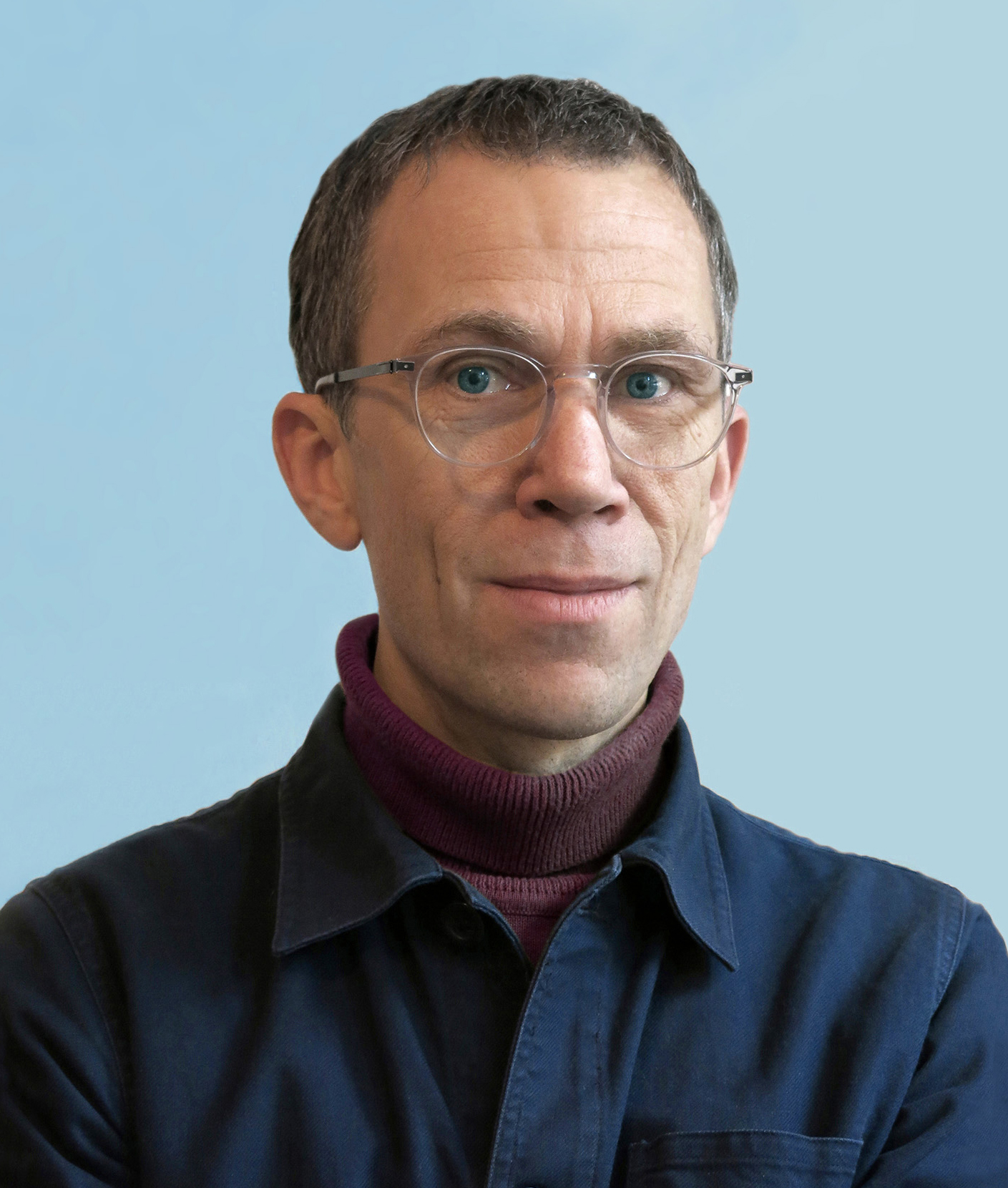
Stefan Alban Kraus
MA Art Psychotherapy
MA Visual Communication
Email: stefankraustherapy@gmail.com
Mobile phone number: 07867785026
HCPC (Health and Care Professions Council) AS018081
BAAT (British Association of Art Therapists) 61028
The Art Therapy Agency, www.thearttherapyagency.co.uk
Copyright by Stefan Alban Kraus, 2025
![]()
![]()
![]()
MA Art Psychotherapy
MA Visual Communication
Email: stefankraustherapy@gmail.com
Mobile phone number: 07867785026
HCPC (Health and Care Professions Council) AS018081
BAAT (British Association of Art Therapists) 61028
The Art Therapy Agency, www.thearttherapyagency.co.uk
Copyright by Stefan Alban Kraus, 2025